


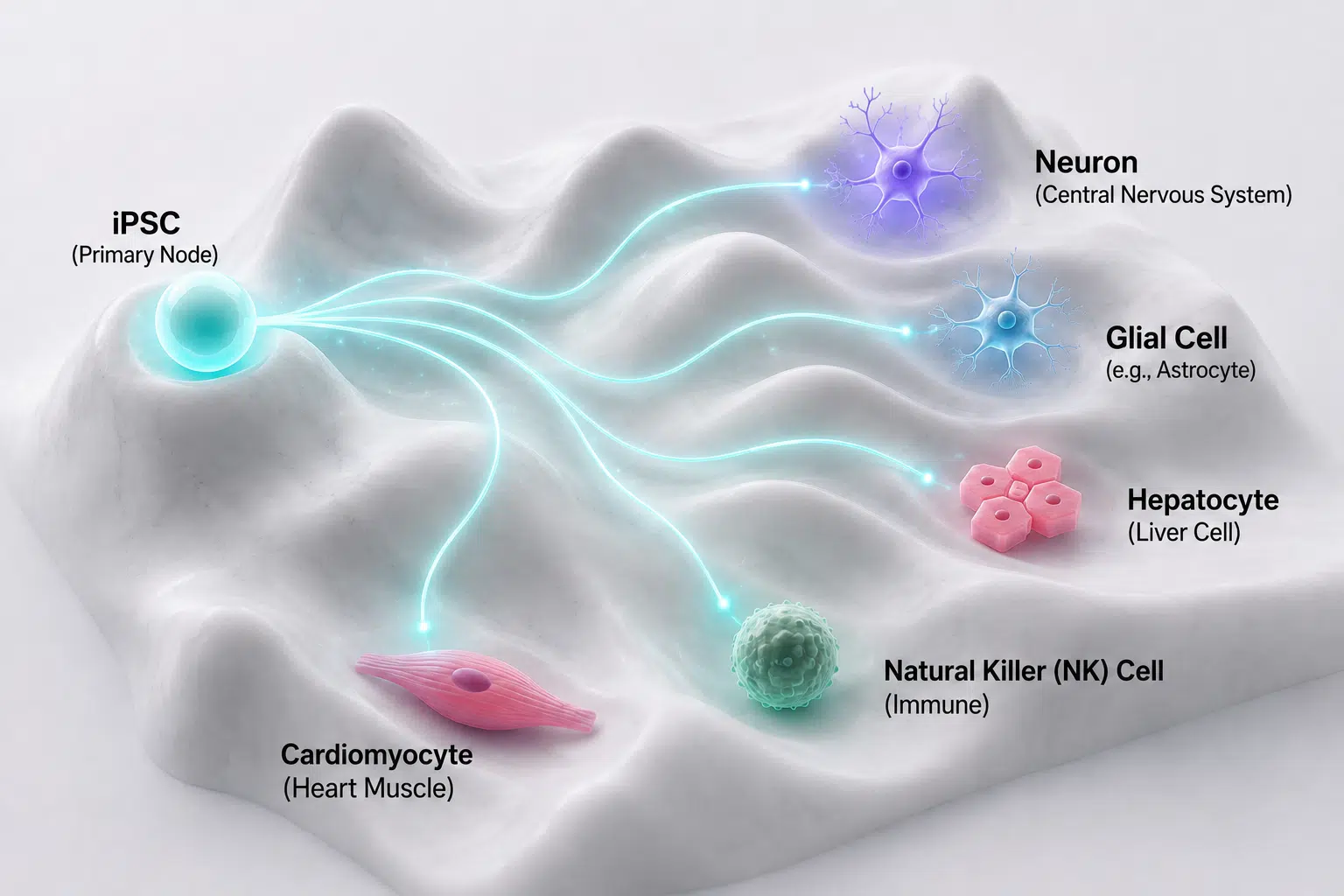

Better decisions. Faster therapies.
We transform drug development decisions and accelerate new therapies through iPSC technology.
View All ServicesHuman biology that translates.
Data you can act on.
Our Products
Generate translatable data faster with ready-to-use human iPSC-derived cell types and differentiation kits, available off-the-shelf for drug discovery, disease modeling, and downstream assays.




The Ricoh Biosciences Difference
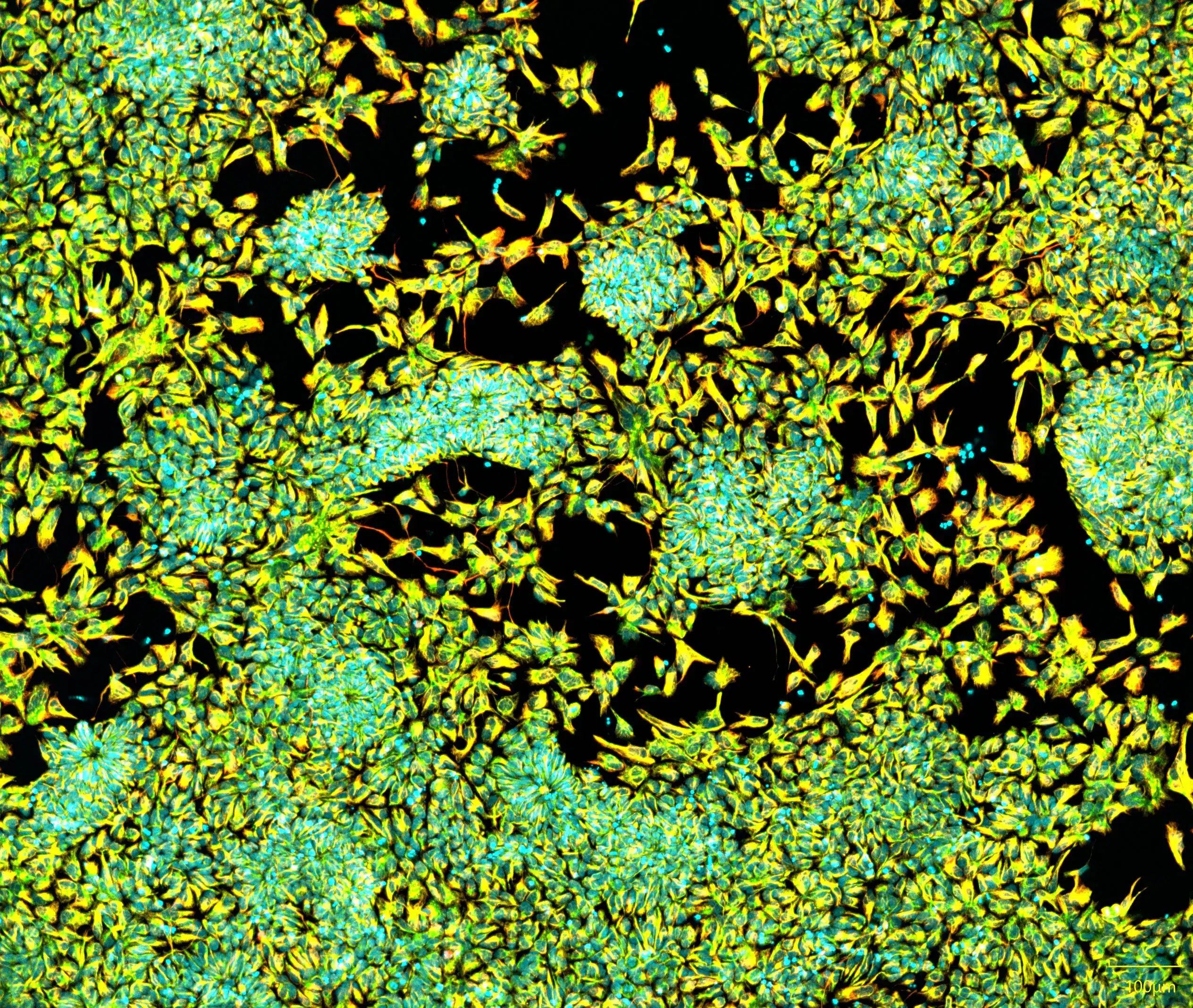
Generate physiologically relevant human cell types in as little as 1 week using our proprietary iPSC differentiation platform. Standardized, scalable workflows give any lab access to diverse, functional cell models built for drug discovery and translational research.
Fast
Generate differentiated cell and tissue types from human iPSCs and ESCs in as little as 1 week — via ready-to-use kits or full-service production.
Flexible
Our transcription factor-based workflows differentiate virtually any iPSC or ESC line, expanding your options across cell type, disease state, and genetic background.
Functional
Our differentiation technology produces functional, physiologically relevant cell-based models that more accurately recapitulate human biology.
Scalable
Scale to virtually unlimited quantities of batch-consistent human cells, supporting high-throughput and high-content screening at any stage of your pipeline.
Empower Yourself with Knowledge
Our team is committed to your success. If you can’t find the protocol, publication, or answer you’re looking for, contact us, we’re happy to help.
Explore All ResourcesThe Latest From Ricoh Biosciences

Functional Characterization of iPSC-Derived Neurons and Glial Cells Using MEA and Calcium Flux Technologies
Learn how MEA and calcium flux assays enable functional characterization of iPSC-derived neurons and glial cells.
Read More
2026 BIO International Convention
Join us in San Diego, June 22–25, to connect with the global biotech community and explore partnership opportunities.
Read More
Alzheimer’s & Parkinson’s Drug Development Summit
Join us in Boston, Feb 3–5, as we share our latest neurodegenerative disease research.
Read More
Using ALS Patient-Derived Motor Neurons to Study TDP-43 Mislocalization
Now on-demand: modeling TDP-43 mislocalization with ALS patient-derived motor neurons.
Read More